GPS Tracking for Small Businesses: When Is It Worth It?
Is GPS tracking worth it for your small business? Weigh the costs, everyday uses and features that matter for your vans, vehicles and equipment.
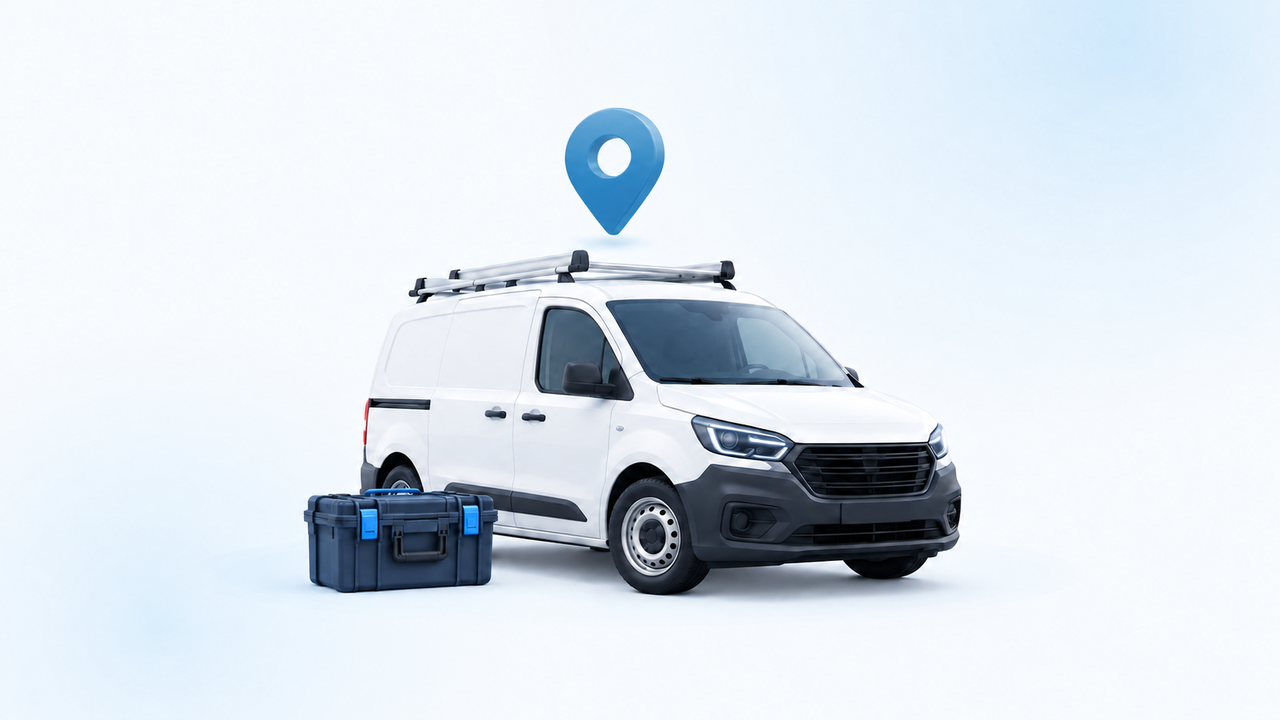
If you’ve ever spent the start of a working day asking where the van ended up, you already know one reason to consider GPS tracking. You don’t need a large fleet to find it useful. Even one vehicle can be worth tracking if your business depends on it.
The question is simple: would knowing where it is, where it’s been or when it moves help you do something differently?
When GPS tracking earns its place
For a tradesperson, it might mean checking which site a shared van was last at. For a small hire business, it could mean keeping an eye on tracked equipment moving between jobs. For an owner who leaves vehicles at a yard overnight, an unexpected departure might be the thing that matters most.
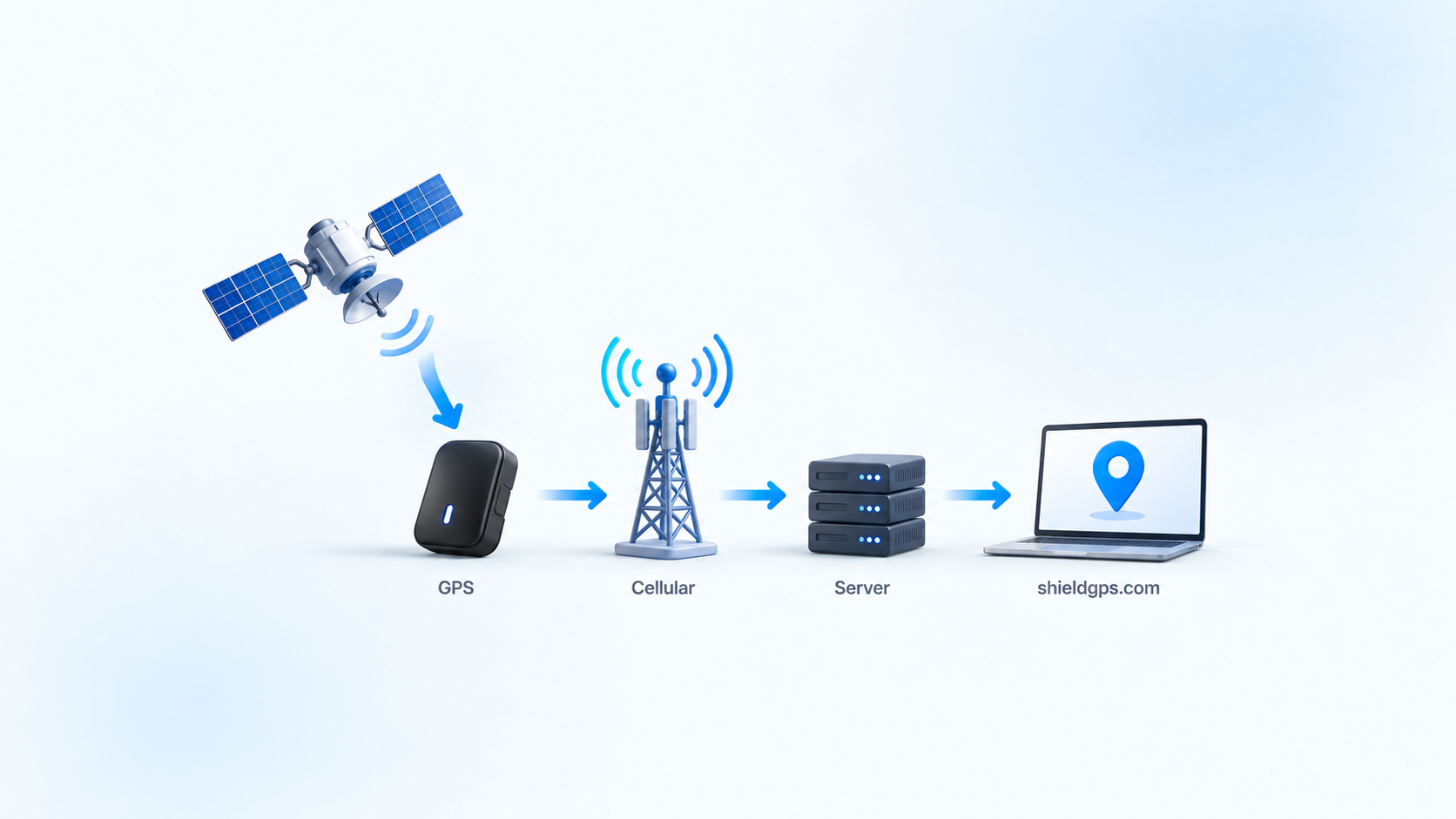
With ShieldGPS, you can see your trackers’ latest reported locations, review location history and manage multiple trackers in one account. That gives you somewhere to look before starting another round of calls and messages.
You can also set a geofence, an area on the map, and receive an alert when a tracker enters or leaves it. A geofence around your workshop or storage yard can help you notice movement without keeping the map open all day. Our geofence guide explains how these alerts work.
Look at the whole cost
The tracker price is only part of the decision. Allow for the ongoing subscription, any fitting costs and the time needed to charge a battery-powered device. Pay annually to save up to 40% compared with monthly billing, depending on your plan. Each ShieldGPS tracker needs its own subscription, so include every vehicle or asset you intend to track.
Then think about an ordinary week:
- How often do you chase someone just to find out where a vehicle or piece of equipment is?
- Does uncertainty about its whereabouts hold up a job or collection?
- Would an arrival or departure alert prompt a useful action?
Use your own answers to judge the value. If tracking would remove a recurring headache, there’s a sensible case for it. If you’d rarely check it or act on an alert, it may be an expense you don’t need yet.
Choose for the job you actually do
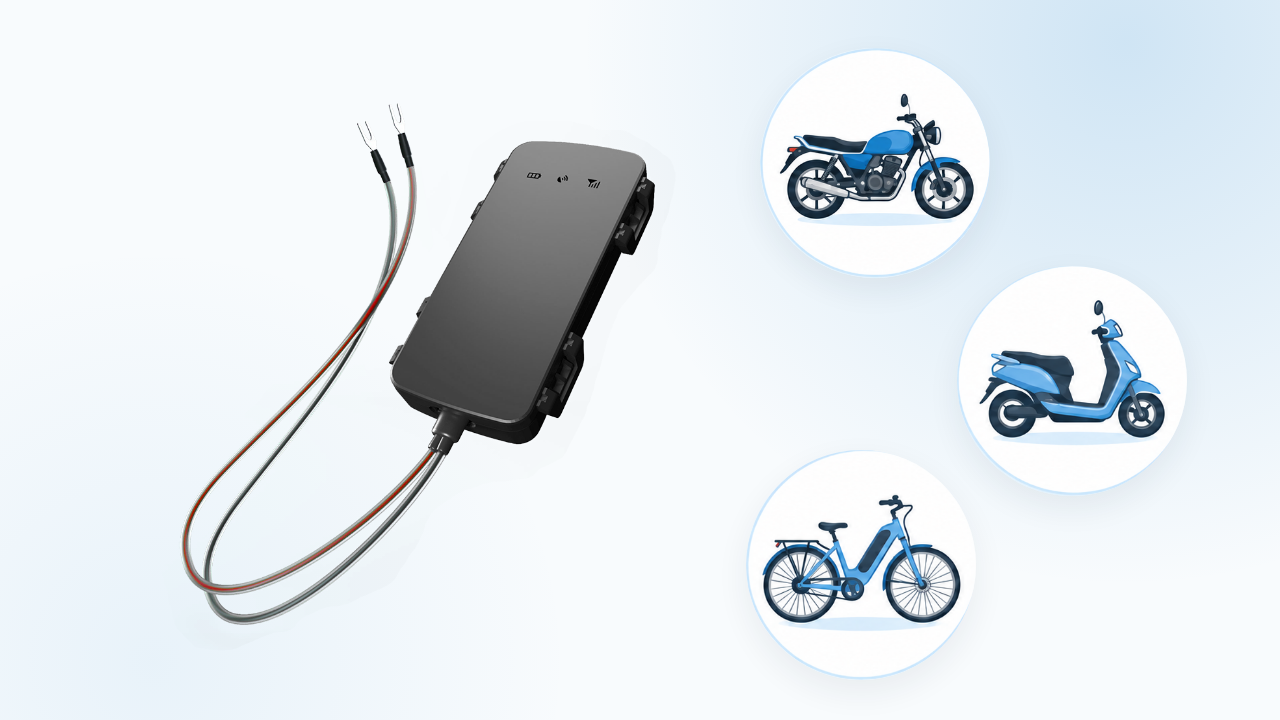
Start with the vehicle or asset that causes the most uncertainty. Check that the tracker suits its power supply, where it will be fitted and the coverage in the places you work. A portable tracker needs a charging routine; a vehicle-powered option needs a suitable installation.
Be clear with anyone using a tracked business vehicle about what you’re tracking and why. Keep the purpose practical: knowing where business assets are and spotting unexpected movement.
ShieldGPS is a good fit when you want location visibility, history and useful alerts in one place. If your main need is automatic job scheduling or route planning, those are separate requirements to assess before buying.
Start with one useful question
“Where’s the van?” is a perfectly good starting point. Try tracking the vehicle you rely on most, then judge whether the information makes your working week easier before adding more.
Explore ShieldGPS trackers to find an option for your business. If you’re unsure which setup suits your vehicle or equipment, tell us what you need to track and we’ll help you choose.