How Does a GPS Tracker Work?
How a GPS tracker finds its location, sends it over a cellular network, and shows it on the map at shieldgps.com.
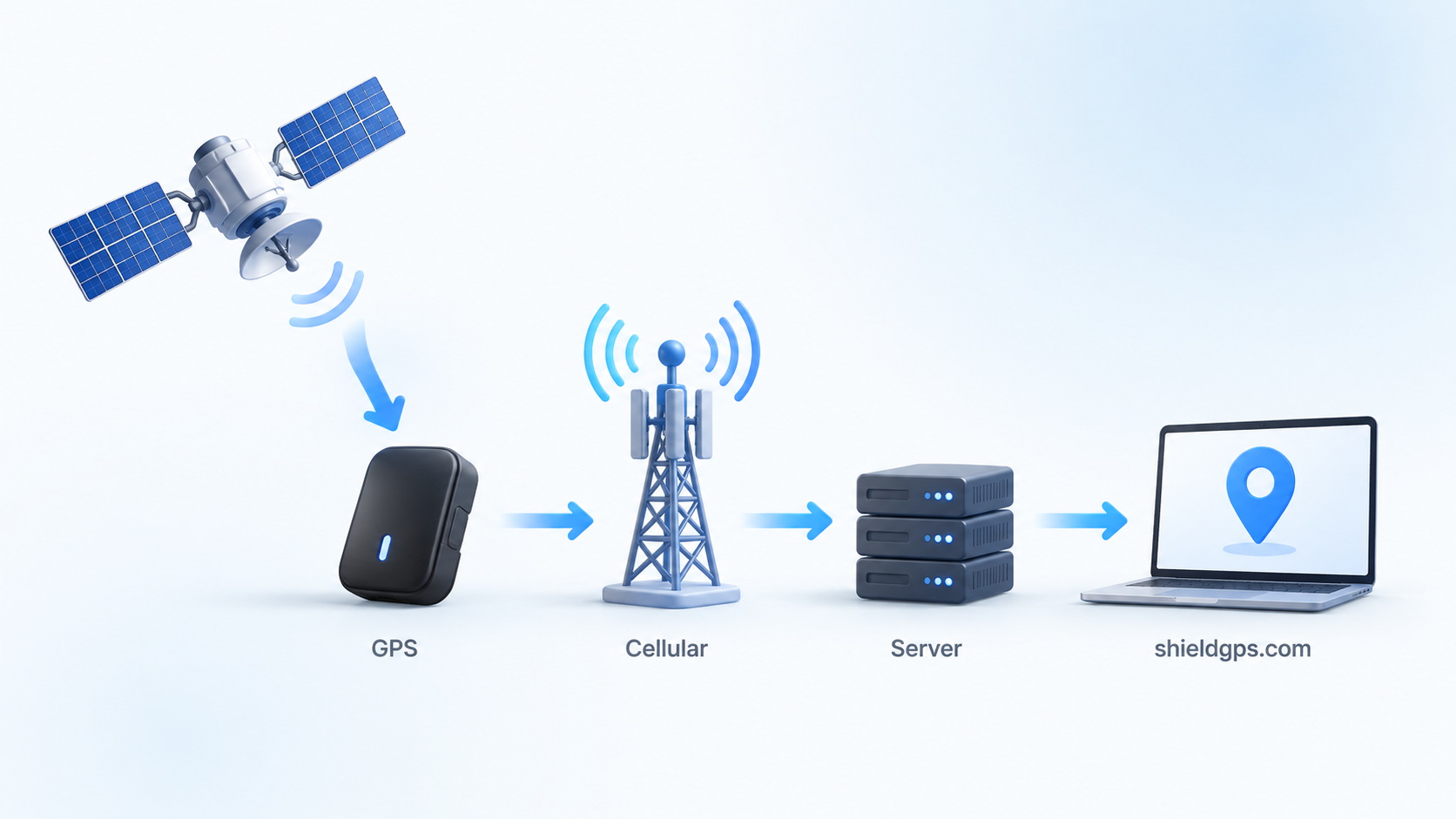
A GPS tracker has two main jobs: work out where it is, then send that location so you can see it. Cellular GPS trackers, like those used with ShieldGPS, have two radios to do this.
GPS finds the location
The GPS radio is a receiver. It listens for signals from satellites orbiting Earth and uses them to calculate the tracker’s location. It doesn’t send anything back to the satellites.
GPS reception works best with a clear view of the sky, but that isn’t essential. A tracker can still work inside a car or tucked into a bag. Under a bonnet, it depends on the placement and how much metal surrounds it, since metal can block the signal. Tunnels and underground car parks are more likely to interrupt reception.
Cellular sends it to the server
The cellular radio connects to a mobile network using a SIM, much like your phone. It uploads the location and the time it was recorded to a server over the internet.
These are separate steps. A tracker can know where it is but be unable to upload a fresh update if there’s no mobile coverage. ShieldGPS trackers store those positions in memory and upload them once the cellular connection is back and the server is reachable again.
You see it on ShieldGPS
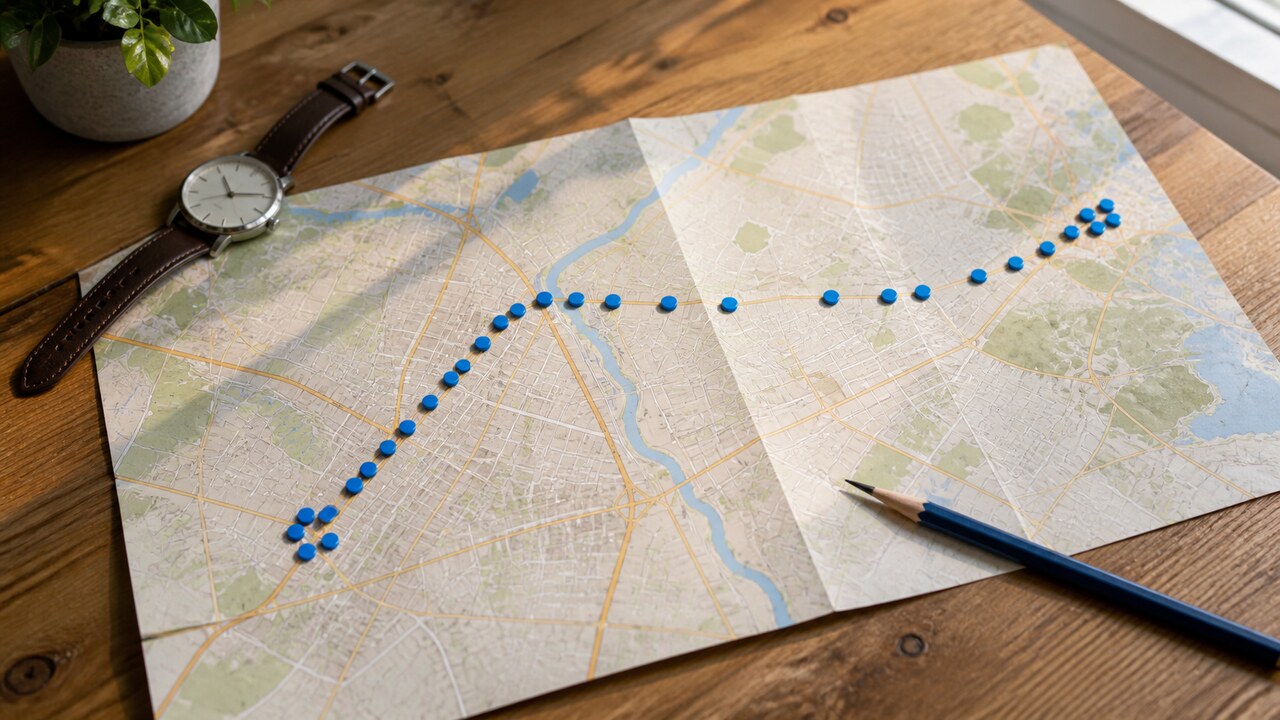
ShieldGPS stores the data on its servers. When you sign in at shieldgps.com, you can see your tracker’s latest reported location on a map and look through its location history.
Check the time shown with the location. It tells you how recent that position is, especially if the tracker hasn’t sent an update for a while.