Wired vs Battery-Powered GPS Tracker Updates
See how wired and portable GPS trackers balance frequent location updates with battery life, and choose the right setup for the job.
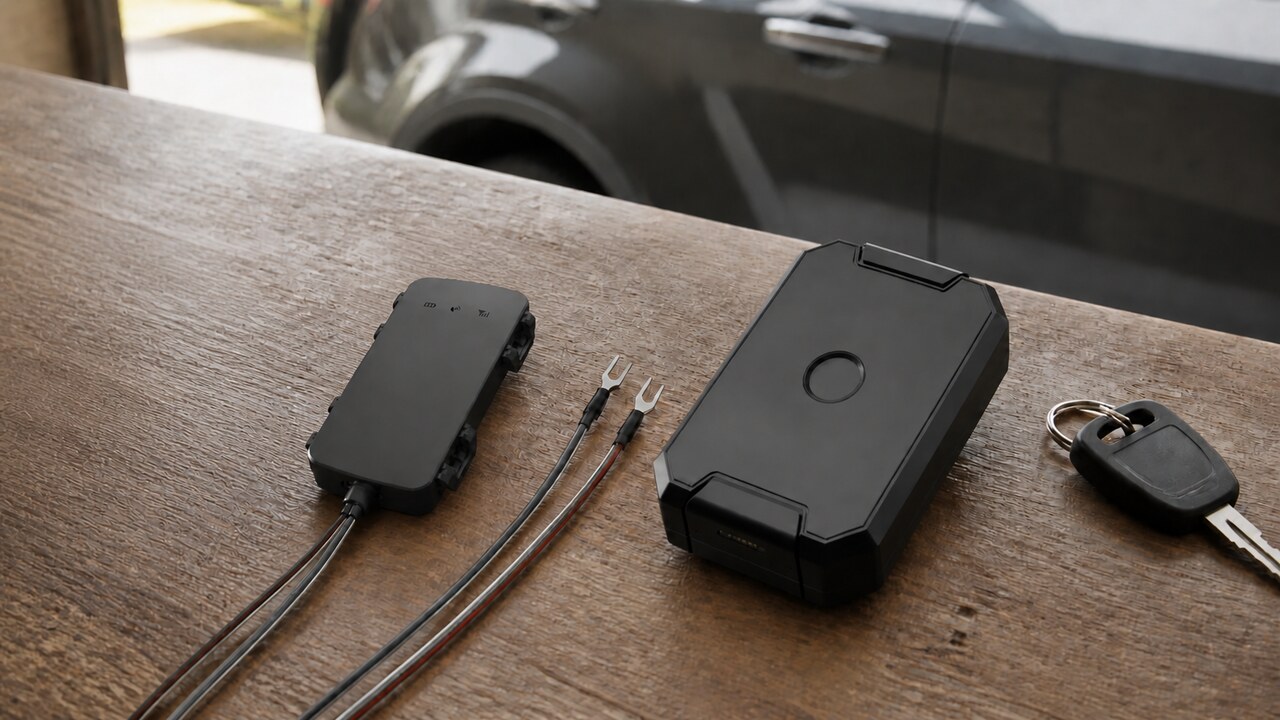
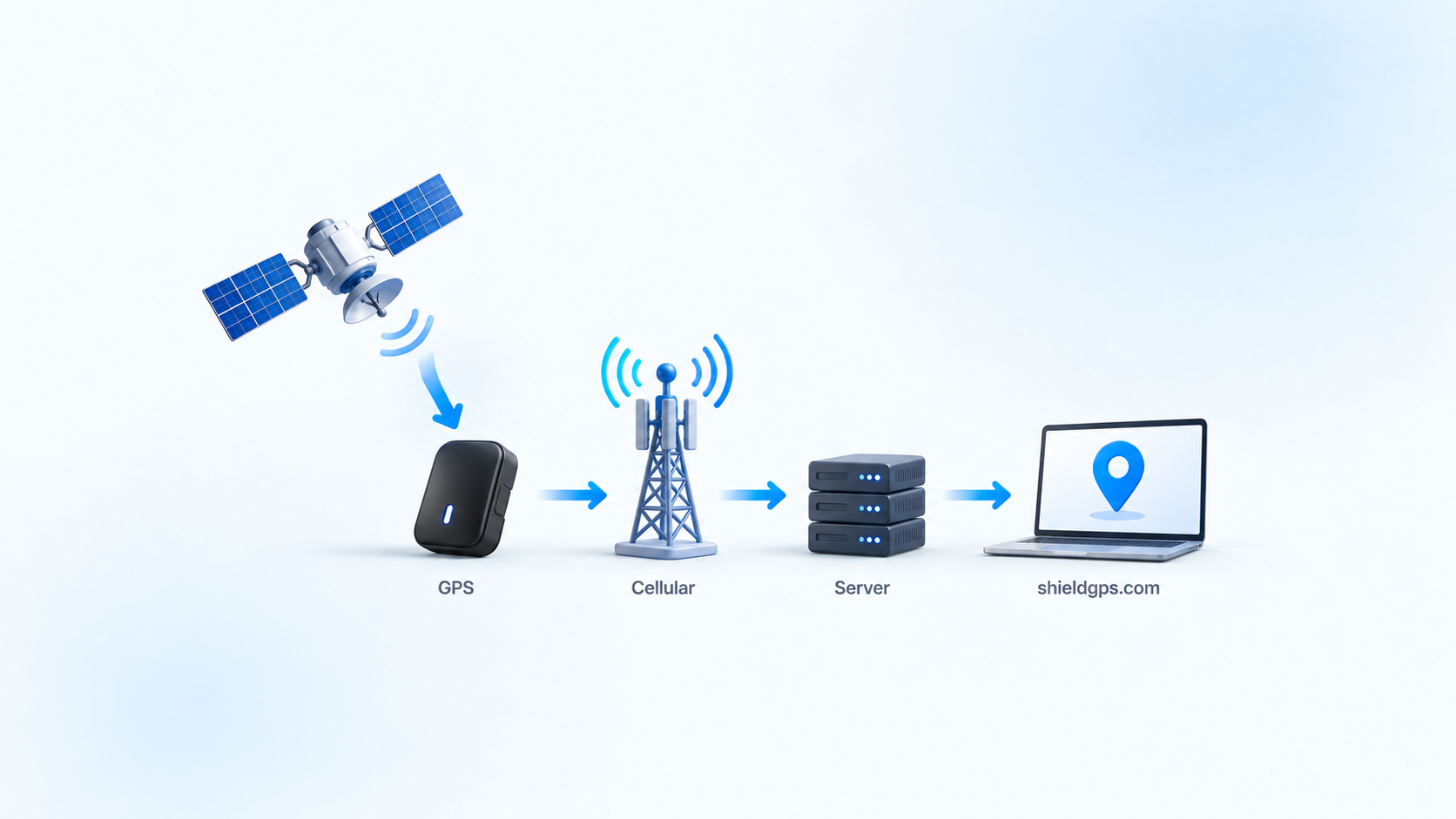
How often a GPS tracker updates mostly comes down to where it gets its power and how much location detail you want. ShieldGPS offers wired and portable trackers because they suit different jobs.
Wired trackers give you the most detailed trail
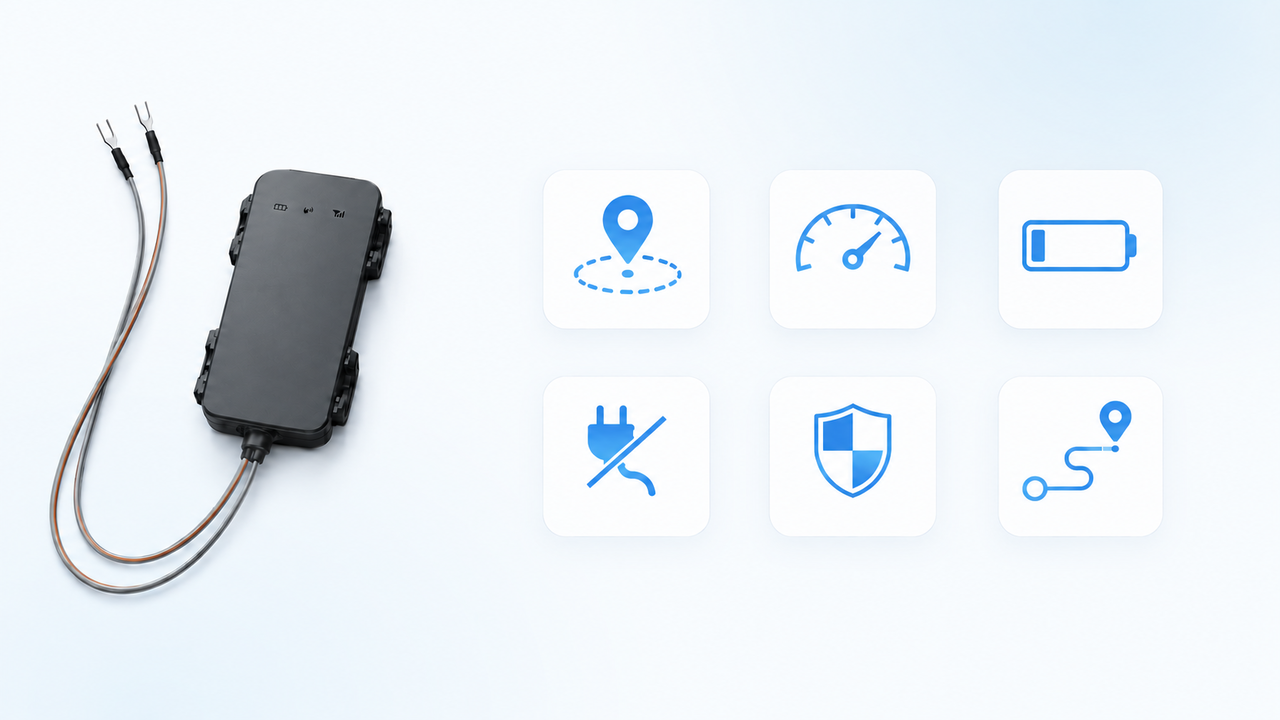
A wired tracker draws power from the vehicle, so it does not need to conserve its own rechargeable battery. That allows it to send frequent positions while the vehicle is moving.
On current ShieldGPS plans, Basic is configured for location updates every 60 seconds while moving. Enhanced and higher plans are configured for updates every 10 seconds while moving. Both keep the map moving regularly, while the faster interval creates a smoother, more detailed route in live tracking and location history.
In normal use, GPS reception and mobile coverage can affect when a new position reaches the map.
If you track a car, van, truck, or other vehicle every day, a wired tracker is usually the best fit. Pairing it with an Enhanced plan gives you the most granular view of a journey.
Portable trackers balance detail and battery life
A portable battery-powered tracker can go where a wired tracker cannot. It is useful for trailers, equipment, shipments, and other assets where installation power is unavailable or inconvenient.
The trade-off is battery life. Every GPS position and cellular upload uses power, so portable trackers are designed to report intelligently rather than stay fully active all the time.
The ShieldGPS AT1 offers two approaches:
- In live-tracking modes, it is configured to send positions every 10 or 60 seconds while it detects movement.
- In fixed-interval modes, it is configured to wake at a chosen interval, send a position, and sleep in between.
Sleeping between updates can extend expected battery life from weeks into months. A longer interval gives you more time between charges, but it also means fewer points in location history. If the AT1 moves between scheduled check-ins, the route will naturally be less detailed than a wired tracker reporting at its moving interval.
You can adjust the AT1 battery mode in its ShieldGPS device settings. Battery estimates remain estimates because movement, signal conditions, temperature, and battery age all affect real-world performance.
Choose the tracker around the job
Choose a wired tracker when frequent vehicle updates and a detailed journey trail matter most. Choose a portable tracker when flexible placement and longer time between charges are more important.
Either way, ShieldGPS brings the latest position, location history, alerts, and geofence tools into the same platform. If you are unsure which combination of tracker, plan, and battery mode fits your asset, ShieldGPS support can help you choose.